

Quick answer
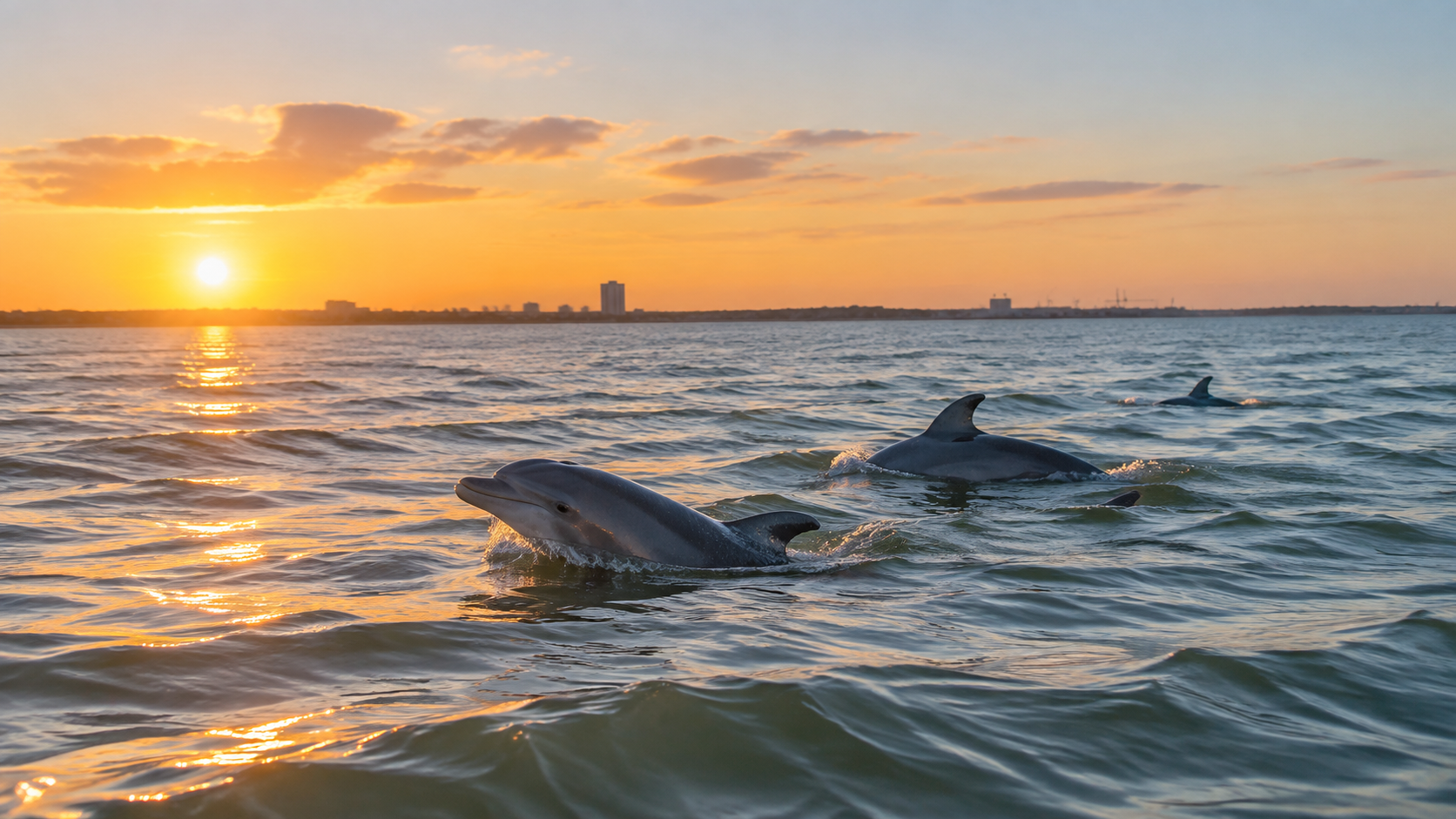
Yes, bottlenose dolphins live in Galveston Bay year-round. The bay's warm, shallow waters and abundant fish populations create ideal habitat for a resident dolphin community. Sightings occur throughout the year, though visibility depends on water conditions, weather, and the time of day you're on the water. Morning hours between 7:00 and 10:00 typically offer calmer seas and more active feeding behavior, improving your chances of observation.
Galveston Bay ranks among the most reliable locations along the Texas Gulf Coast for bottlenose dolphin observation, with an estimated population of several hundred individuals inhabiting the estuary system. These marine mammals thrive in the bay's brackish environment, where freshwater from the Trinity and San Jacinto rivers mixes with Gulf of Mexico tides. The question of whether dolphins inhabit Galveston waters reflects a common curiosity among first-time visitors to Texas barrier islands. The answer is unambiguous: a stable resident population occupies the bay year-round, supplemented by transient pods that move between coastal zones. Bottlenose dolphins navigate the ship channel, feed in shallow grass flats near the Bolivar Peninsula, and frequently surface in the waters surrounding Galveston Island's eastern shoreline. Dolphin activity patterns follow tidal cycles and prey availability rather than tourist seasons. Blue crabs, mullet, menhaden, and spotted seatrout populate the bay's food web, sustaining dolphin feeding behavior throughout the calendar. Water temperature fluctuations between winter and summer months influence distribution more than abundance—dolphins congregate in deeper channels during cold fronts and disperse across flats when water warms. Current flows, wind direction, and recent rainfall affect water clarity, which in turn impacts surface visibility. Choppy conditions during afternoon sea breezes can obscure dorsal fins that would be obvious in glassy morning water. Tour operators concentrate their departures in early daylight hours not to guarantee sightings—no ethical guide can promise wildlife encounters—but to maximize the probability of clear observation windows. The bay remains accessible at no entrance cost, though vessels departing from marinas operate on commercial schedules with separate tour fees.
“Galveston Bay's resident dolphin population thrives in the estuary's brackish environment, where Gulf tides meet freshwater river outflows.”
Costs for When Are There Dolphins in Galveston Sightings
Access to Galveston Bay waters is free of charge for the public. Professional dolphin tour operators maintain their own independent fee structures for boat excursions.
There is no entrance fee to view the bay, though professional tour costs vary depending on the specific operator chosen.
Access Hours for Finding Out If Are There Dolphins in Galveston
Galveston Bay waters are accessible 24 hours a day for those observing the bay. Please note that individual dolphin tour operators maintain their own specific operating schedules.
| Monday | 00:00–23:59 | |
|---|---|---|
| Tuesday | 00:00–23:59 | |
| Wednesday | 00:00–23:59 | |
| Thursday | 00:00–23:59 | |
| Friday | 00:00–23:59 | |
| Saturday | 00:00–23:59 | |
| Sunday | 00:00–23:59 |
Getting to the Waterfront Where Are There Dolphins in Galveston
Galveston Bay is located in Galveston, TX, and is most easily accessed by driving to the historic waterfront areas. Several departure points near the harbor provide proximity to known dolphin habitats.
I-45 South to Harborside Drive
Island Transit to the Downtown Terminal
Direct service to Pier 21
Practical Tips for When Are There Dolphins in Galveston
Observing wild dolphins in Galveston Bay requires patience and adherence to specific environmental etiquette to ensure both your safety and theirs.
Use polarized sunglasses
Polarized lenses significantly reduce surface glare on the bay, making it easier to spot dorsal fins breaking the water.
Bring dedicated binoculars
Marine wildlife often remains at a distance, and binoculars allow for clearer observation without needing to approach the animals.
Maintain a respectful distance
Federal regulations require keeping a safe distance from marine mammals to prevent stress and behavioral disruption.
Observe feeding patterns
Dolphins often follow shrimp boats or congregate near harbor entrances during tide changes as they hunt for fish.
Scan for rhythmic movement
Instead of looking for the whole animal, focus your eyes on the horizon for the repetitive, rhythmic surfacing characteristic of a dolphin pod.
Respect natural behaviors
Refrain from attempting to feed or touch dolphins, as this is illegal and harmful to their ability to survive in the wild.
Check availability
Frequently Asked Questions About Dolphins in Galveston
Everything you need to know about are there dolphins in galveston